
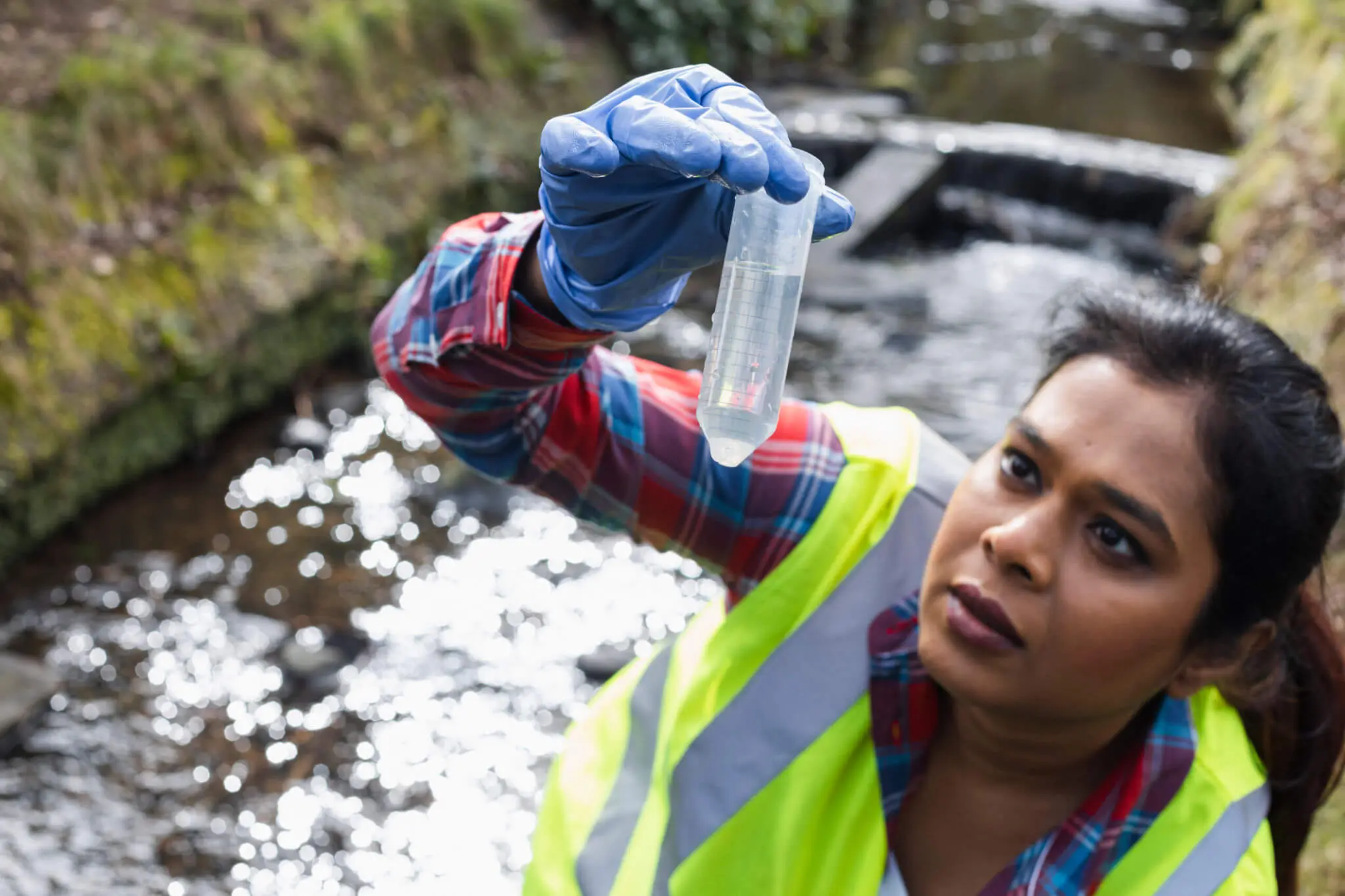
How Water Quality Shapes Your Family’s Health and Safety
Introduction
Crystal-clear water is often taken for granted until a strange odor, cloudy glass, or a child’s upset stomach makes us rethink every sip. For Southwest Florida homeowners, private well users, and parents determined to protect their families, understanding what flows from the tap is essential. This guide explores how water quality and family health are connected, uncovers hidden risks, and offers practical steps toward safe drinking water.
Invisible Threats Lurking in Household Water
Southwest Florida’s sunny charm can conceal serious concerns beneath the surface. From Punta Gorda to Bonita Springs, both city and well water may contain bacteria and viruses, E. coli, lead, arsenic, PFAS, pesticides, nitrates, and heavy metals. These threats enter homes via aging infrastructure, agricultural runoff, and well vulnerabilities. Galvanized pipes can leach lead or rust, and cracks allow bacteria inside. Fertilizers, nitrates, and pesticides are washed into aquifers during storms. Shallow wells or poor caps let surface water and contaminants seep into drinking water. Imagine your teenager filling a sports bottle for practice, unaware of PFAS from a nearby fire-training site drifting into the water supply, or a toddler’s bath hiding arsenic released after heavy rain. While local health departments may issue short-term boil advisories, many threats remain undetected, making routine well water testing SWFL’s primary defense.
The Environmental Working Group reports 324 contaminants in U.S. drinking water systems, with many exceeding health-based guidelines, even when they comply with outdated legal limits. SWFL Water Testing employs advanced testing panels for private wells and public water, providing certified results that go beyond the basics.
Health Impacts Unveiled: From Gut to Growth
The effects of contaminated water range from short-term discomfort to lifelong consequences. Bacteria and viruses in water can cause gastrointestinal issues such as diarrhea, vomiting, and dehydration, especially affecting children and seniors. According to a 2025 CDC estimate, waterborne diseases cost the U.S. over $3 billion annually.
Long-term exposure brings more severe risks. Lead in water can impair IQ and child development. Arsenic increases cancer risk by damaging DNA. PFAS can damage the immune system and disrupt thyroid function. Nitrates are especially dangerous to infants, leading to “blue baby syndrome.” Heavy metals may cause neurological effects, kidney damage, and liver damage over time.
Pregnant women and immunocompromised individuals face greater risks, as their bodies are less able to combat toxins. Climate-driven flooding in the region can also increase contamination in aquifers, as noted by Yale News. Proactive steps make a difference: monitor advisories, flush pipes after periods of disuse, and schedule professional home water testing at least annually—or more often if you notice changes in taste or live near construction. SWFL Water Testing’s 25 years of local expertise means they understand how red tide, septic overflows, and regional geology affect water safety.
Cracks in the Armor: Limitations of DIY and Over-the-Counter Solutions
Store shelves are filled with test strips and faucet filters promising easy drinking water safety, but these solutions often fall short.
DIY kits usually test for chlorine or pH, which can create false confidence. Pitcher filters may improve taste but do not remove arsenic or PFAS. Homeowners with wells may believe their water is safe for years, but only a NELAC-accredited lab can uncover the full spectrum of risks.
If you have recently shocked your well, experienced flooding, plan to sell, or have a child with unexplained rashes, it is time for professional analysis. SWFL Water Testing’s online portal allows easy ordering, and rapid results eliminate waiting. Certified results also satisfy drinking water standards for FHA, VA, and USDA loans.
Comparison of Common Options
Store-bought test kits and basic pitcher filters cannot detect PFAS, microplastics, or low levels of lead, nor do they screen for live bacteria or provide legal compliance reports. Only certified lab analysis offers comprehensive detection, state-accepted results, and digital records for resale. While DIY and basic filters offer convenience, they are not substitutes for professional, certified analysis.
The Science of Clean: Advanced Testing and Purification for Peace of Mind
Once a sample arrives at the lab, certified technicians use advanced methods such as inductively coupled plasma mass spectrometry (ICP-MS) for heavy metals, liquid chromatography tandem mass spectrometry (LC-MS/MS) for PFAS, and membrane filtration to culture bacteria. Results are checked for state certification and uploaded to a secure portal, typically by the next business day, allowing quick action.
After testing, families may explore water filtration systems. Reverse osmosis removes salts and metals; activated carbon addresses pesticides; UV light eliminates bacteria and viruses. Even top-tier systems need validation through professional testing.
Distinctive Advantages of SWFL Water Testing
SWFL Water Testing brings 25 years of local focus, with technicians who understand regional aquifer characteristics and environmental impacts. Their state-certified, NELAC labs ensure results are accepted by lenders and health departments. Rapid digital results help homeowners make informed treatment decisions quickly. Comprehensive compliance services provide a single partner for DEP, EPA, and county submissions. Flexible sampling options include technician visits or DIY kits delivered to your door.
Maintenance tips: Replace filtration cartridges as scheduled, inspect well caps each spring, and retest after storms or major plumbing work. These steps help ensure safe drinking water year-round.
Empowering Your Family: Steps Toward Safer Water
Take these steps to protect your household. Watch for warning signs like sulfur smells, metallic tastes, stains, or gastrointestinal issues after heavy rain. Schedule baseline home water testing—annually for city water, biannually for wells. Review certified reports, focusing on “MCL” and actual contaminant levels, and address anything marked “Action Recommended.” If contaminants are present, apply remedies: shock chlorination for bacterial contamination, point-of-entry carbon or reverse osmosis for PFAS or lead, and repair well casings to prevent surface water infiltration. Keep digital records from SWFL Water Testing for compliance and resale. Monitor advisories, especially during hurricane season. Boil or use bottled water until retesting confirms safety. Retest after repairs, new filtration installs, or natural disasters.
Download a “Monthly Water Vigilance Plan” checklist from the SWFL Water Testing resource hub for reminders on flushing faucets, checking filters, and scheduling lab work. Staying proactive helps safeguard child development, protect plumbing investments, reduce cancer risk, maintain property value, and enjoy peace of mind with every sip.
Safeguarding Your Family’s Health
Clean water is essential for digestion, cognition, and immunity. Invisible contaminants can threaten your family’s well-being, but you can act decisively. With SWFL Water Testing’s regional expertise and certified results, you gain confidence in every drop. Take the next step and ensure your family’s water is safe.
Book Your Service
References
https://susbio.in
https://clearlyfiltered.com
https://www.epa.gov
https://news.yale.edu
https://www.reportlinker.com
https://www.who.int