
Understanding the Role of Water Analysis in Local Food Safety
Introduction
Safe water is foundational to every meal served and every product made in Lee, Collier, and Charlotte Counties. For food businesses, farms, and families, understanding the impact of water quality on Southwest Florida food safety is essential. This guide explores the significance of local food safety water analysis, regulatory frameworks, and the pivotal role of SWFL Water Testing in supporting operational resilience and growth.
Invisible Threats Lurking in Water Supplies
Crystal-clear water often hides serious risks. Southwest Florida’s subtropical climate, with its warm aquifers and heavy rainfall, encourages the proliferation of E. coli, total coliforms, and antibiotic-resistant bacteria. Industrial runoff from major highways and agricultural chemicals from tomato and citrus fields introduce contaminants such as nitrates, PFAS, and microplastics.
A Naples juice bar was forced to close for a week due to coliform detection, resulting in customer backlash. A Charlotte County farm suffered a 30 percent revenue drop after a recall linked to contaminated irrigation water. In another instance, a gastrointestinal illness outbreak was traced to ice machines supplied by untreated well water.
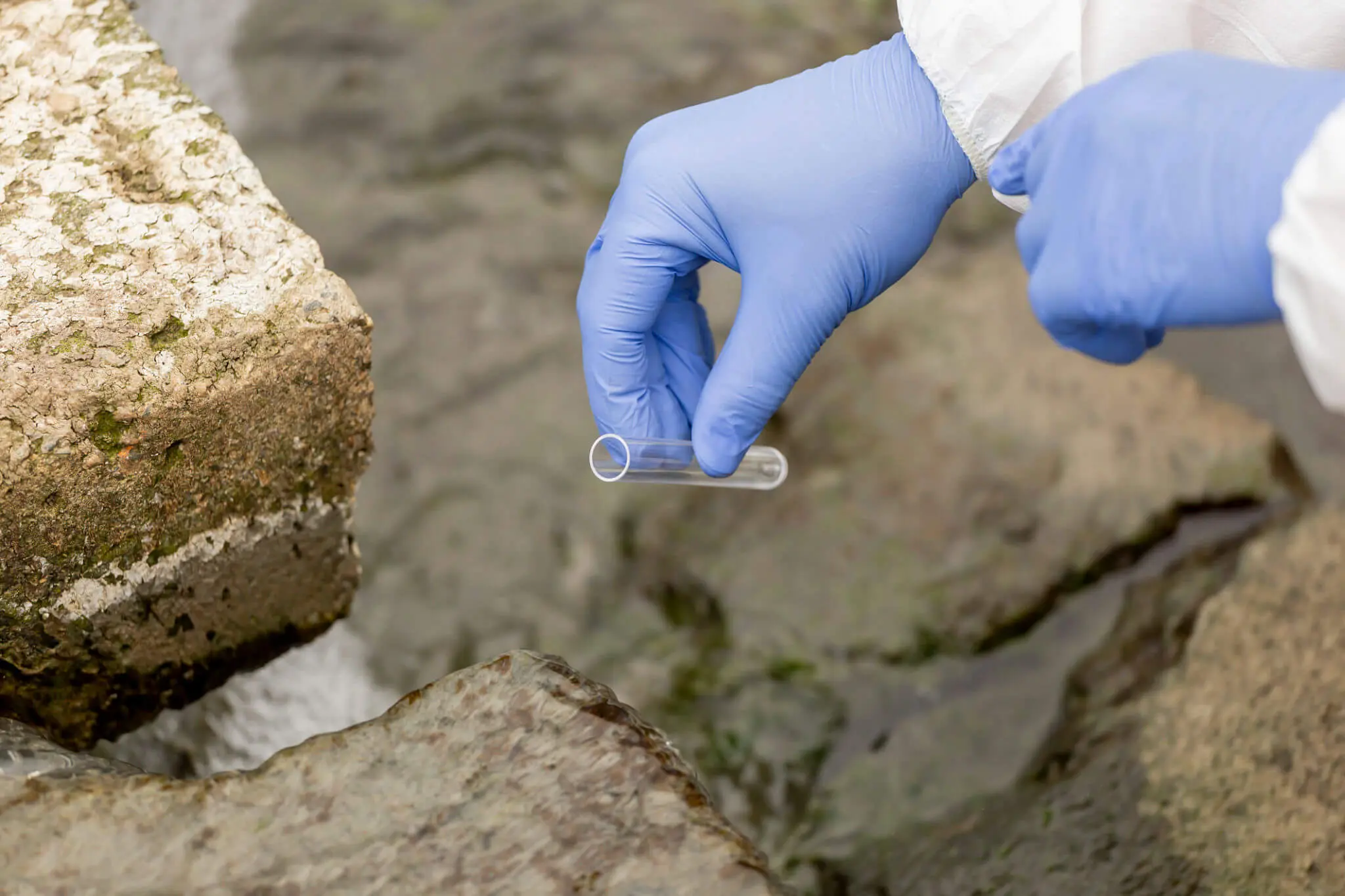
Preventing foodborne illness starts with early detection. Water testing for food businesses identifies contamination before it reaches consumers. SWFL Water Testing offers on-site collection, secure transport, and detailed reports, including expedited options for urgent cases.
To mitigate risks:
– Schedule quarterly baseline water quality profiles for food establishments.
– Use certified filters for pathogen removal, verifying results with post-installation sampling.
– After storms or construction, request follow-up tests, as coliform spikes can occur within 48 hours.
The Regulatory Web Shaping Local Food Safety
Florida’s food safety regulations establish a robust framework for water usage. Restaurants must maintain records of water testing as required by Chapter 64E-11. Food processors adhere to guidelines based on the FDA Produce Safety Rule, while farms irrigating edible crops must comply with standards targeting zero CFU/100 mL generic E. coli. HACCP water testing plans for seafood, juice, or dairy depend on accurate laboratory data.
Compliance is not just a requirement; it sets businesses apart when inspectors and consumers look for proof of safe practices. SWFL Water Testing, with 25 years of experience, certified laboratories, and regulatory knowledge, ensures smooth audits. The team stays updated on regulatory changes, including new risk-based amendments in 2025, to keep clients compliant with public health mandates.
Key compliance elements include:
– Sampling frequency and accredited laboratory certificates
– Corrective actions for threshold exceedances
– Documentation linking drinking water to critical control points
Beyond the Kitchen Tap Water Analysis Across the Food Chain
Water’s journey to the table starts well before the faucet. Any weakness along the way can impact the entire supply chain. Mapping water touchpoints, assigning responsibilities, and setting retesting thresholds are critical. SWFL Water Testing helps bundle sampling routes, enabling farmers, processors, and restaurateurs to share logistics, lower costs, and enhance vigilance.
A practical snapshot:
| Stage | Primary Risk | SWFL Water Testing Solution |
|---|---|---|
| Private well on café property | Iron, sulfur, E. coli | Well water testing, chlorination, 24-hour retest |
| Pivot irrigation on vegetable land | Pesticide drift, bacteria | Sampling, trend reports |
| High-pressure wash in packing house | Biofilm, Legionella | Guidelines audits, stagnant line clearance |
| Three-compartment sink in food truck | Cross-contamination, chemicals | Spot checks, compliance kit |
Facility best practices:
– Create a schematic of all water entry and exit points.
– Prioritize monthly swabs for high-contact surfaces.
– Use cloud-based dashboards to track results and trends.
Safeguarding Brands and Bottom Lines with Advanced Testing
The business case for food safety compliance water testing is strong. Market analyses forecast significant global growth in food safety testing through 2030, driven by regulatory scrutiny and consumer demand for transparency. Rigorous testing provides:
| Advantages | Business Impact |
|---|---|
| Brand protection | Prevents outbreaks and reputation damage |
| Reduced liability | Provides defensible records and limits legal risk |
| Operational continuity | Minimizes shutdowns during peak periods |
| Market differentiation | Promotes verified Southwest Florida food safety |
SWFL Water Testing stands out for:
| Feature | Why It Matters |
|---|---|
| 25+ years of regional expertise | In-depth knowledge of local aquifers |
| Fully certified facilities | Meets DEP, EPA, FHA/VA, and county standards |
| Standard and rush reporting | Results in 24-72 hours |
| Personalized guidance | Tailored interpretation and next steps |
Best practices include:
– Verifying NELAC accreditation matches health department lists
– Requesting written sample turnaround times
– Reviewing report samples specific to your industry
– Ensuring availability of antibiotics and PFAS panels as risks evolve
Empowering Southwest Florida’s Food Community for a Safer Future
Water stewardship is a collective responsibility. Food safety managers, inspectors, and consumers all shape a culture of agricultural water testing for food safety. This culture builds trust and resilience, especially during hurricanes, droughts, and market changes.
Key steps:
– Schedule annual compliance audits to address gaps before inspections
– Subscribe to plans covering routine and event-based sampling
– Train staff in proper sample collection
– Display water quality certificates to reassure customers
Authoritative resources like the FDA Produce Safety portal and the Journal of Food Protection provide valuable insights into rapid detection and regulatory updates.
Distinctive Strengths You Will Not Find Elsewhere
| Attribute | SWFL Water Testing | Typical Regional Lab |
|---|---|---|
| Regional tenure | 25+ years, hurricane-tested | 5-10 years |
| Lab scope | Bacteria, metals, PFAS, sludge | Mostly bacteria |
| Report speed | 72 hrs standard, 24 hrs rush | 5-7 days, no rush |
| Compliance breadth | DEP, EPA, FHA/VA/HUD, farm, restaurant | Limited panels |
| Client support | On-site walk-throughs, professionals | Phone-only |
| Flexibility | Custom schedules, weekend pick-ups | Rigid hours |
A Clear Path to Safer Tables and Stronger Communities
Water quality connects every bite and sip, from hidden microbes to regulatory checklists. This guide revealed unseen risks, regulatory frameworks, and the importance of rigorous testing for brand protection. Local food safety water analysis is a strategic investment for growth, loyalty, and public health. Take charge of your operation’s safety.
Take the Next Step
References
FDA Produce Safety Rule Update – https://www.fda.gov
MarketsandMarkets Food Safety Testing Forecast – https://www.marketsandmarkets.com
Journal of Food Protection Rapid Pathogen Detection Article – https://www.foodprotection.org